



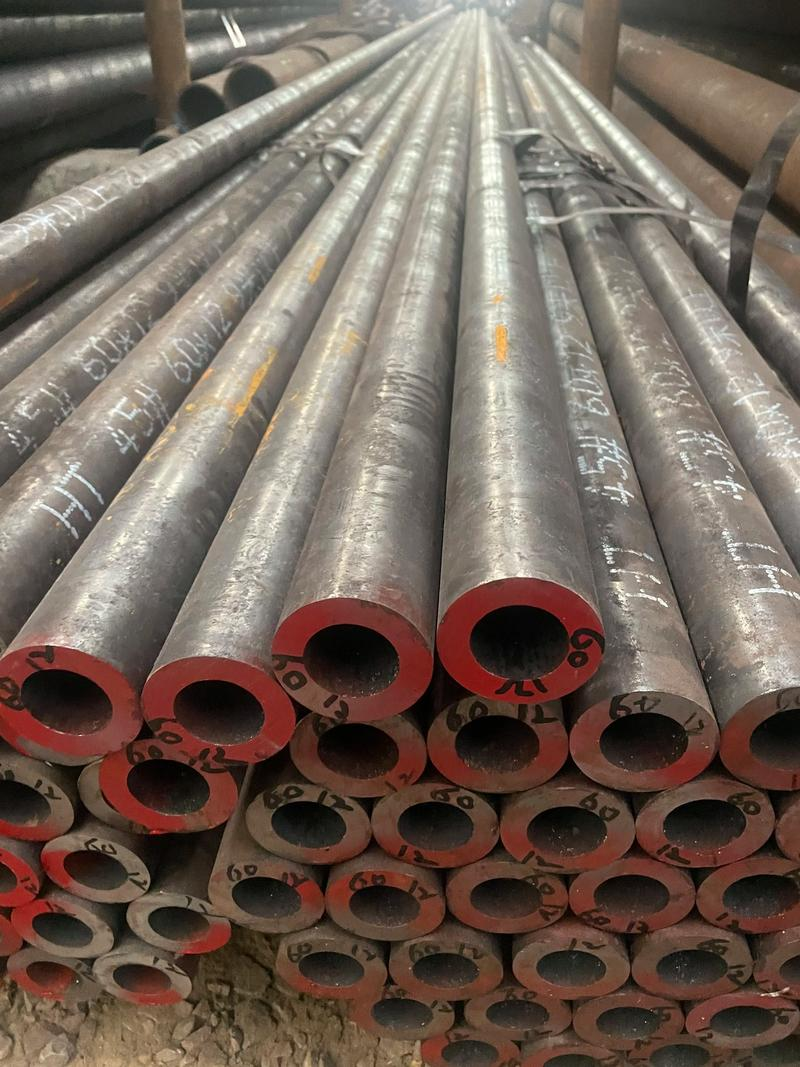
Product introduction
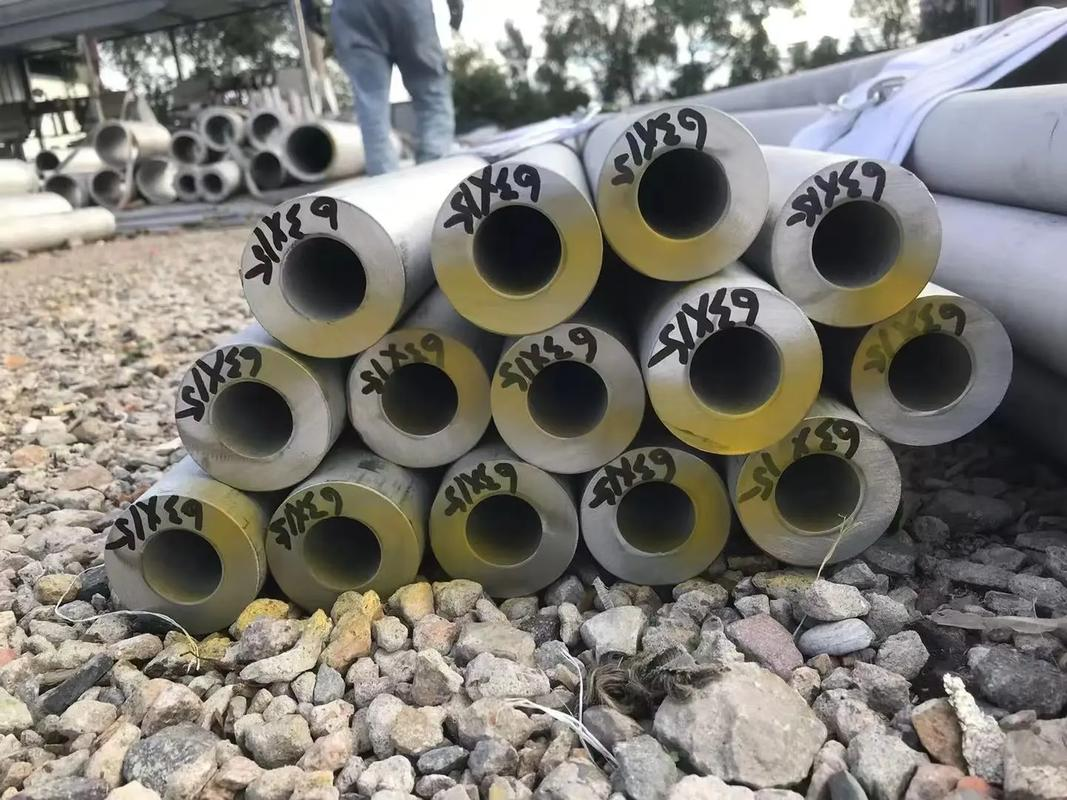
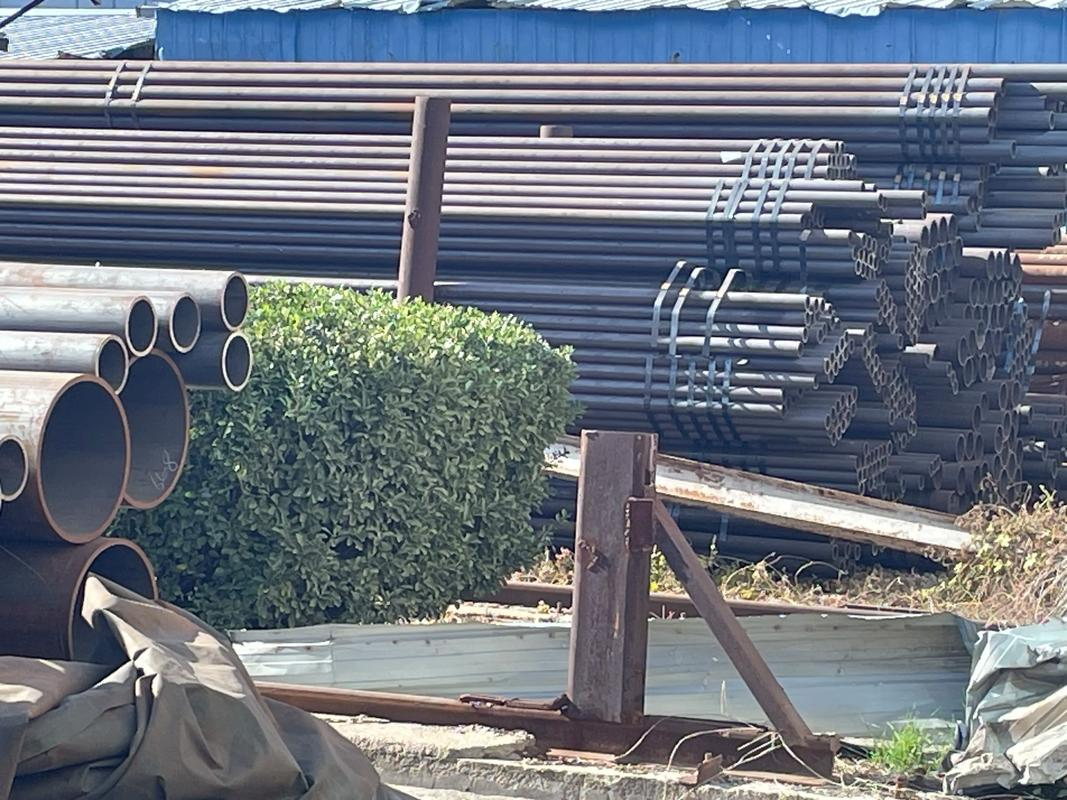
ASTM A333/A333M is the standard specification for seamless and welded steel pipe for low-temperature service. This specification covers wall seamless and welded carbon and alloy steel pipe intended for use at low temperatures where notch toughness is required. The pipes are suitable for bending, flanging, and similar forming operations.
| Grade | C (%) max | Mn (%) | P (%) max | S (%) max | Si (%) | Ni (%) | Other Elements | Key Feature |
|---|---|---|---|---|---|---|---|---|
| Grade 1 | 0.30 | 0.40-1.06 | 0.025 | 0.025 | 0.10-0.50 | - | Cu ≤ 0.40 | Lowest temp: -50°F (-45°C) |
| Grade 3 | 0.19 | 0.31-0.64 | 0.025 | 0.025 | 0.18-0.37 | 3.18-3.82 | - | Nickel steel for low temp |
| Grade 4 | 0.12 | 0.50-1.05 | 0.025 | 0.025 | 0.18-0.37 | - | - | Killed carbon steel |
| Grade 6 | 0.30 | 0.29-1.06 | 0.025 | 0.025 | 0.10-0.50 | - | - | Similar to Grade 1 |
| Grade 7 | 0.19 | 0.90 max | 0.025 | 0.025 | 0.13-0.32 | 2.03-2.57 | - | 2.25% Nickel steel |
| Grade 8 | 0.13 | 0.90 max | 0.025 | 0.025 | 0.13-0.32 | 3.18-3.82 | - | 3.5% Nickel steel |
| Grade 9 | 0.20 | 0.40-1.06 | 0.025 | 0.025 | 0.10-0.50 | 1.60-2.24 | - | 2.0% Nickel steel |
| Grade 10 | 0.20 | 1.15-1.50 | 0.025 | 0.025 | 0.10-0.50 | - | - | High manganese |
| Grade 11 | 0.10 | 0.30-0.70 | 0.025 | 0.025 | 0.10-0.50 | - | Al min 0.02 | Aluminum killed |
| Grade | Tensile Strength min | Yield Strength min | Elongation min | Minimum Test Temperature | Charpy Impact Energy Requirement |
|---|---|---|---|---|---|
| Grade 1 | 55,000 psi (380 MPa) | 30,000 psi (205 MPa) | 35% | -50°F (-45°C) | 13 ft-lb (18 J) avg |
| Grade 3 | 65,000 psi (450 MPa) | 35,000 psi (240 MPa) | 30% | -150°F (-101°C) | 13 ft-lb (18 J) avg |
| Grade 4 | 60,000 psi (415 MPa) | 35,000 psi (240 MPa) | 30% | -75°F (-59°C) | 13 ft-lb (18 J) avg |
| Grade 6 | 60,000 psi (415 MPa) | 35,000 psi (240 MPa) | 30% | -50°F (-45°C) | 13 ft-lb (18 J) avg |
| Grade 7 | 65,000 psi (450 MPa) | 40,000 psi (275 MPa) | 30% | -100°F (-73°C) | 13 ft-lb (18 J) avg |
| Grade 8 | 65,000 psi (450 MPa) | 40,000 psi (275 MPa) | 30% | -150°F (-101°C) | 13 ft-lb (18 J) avg |
| Grade 9 | 63,000 psi (435 MPa) | 46,000 psi (315 MPa) | 30% | -100°F (-73°C) | 13 ft-lb (18 J) avg |
| Grade 10 | 65,000 psi (450 MPa) | 50,000 psi (345 MPa) | 30% | -75°F (-59°C) | 13 ft-lb (18 J) avg |
| Grade 11 | 60,000 psi (415 MPa) | 35,000 psi (240 MPa) | 35% | -325°F (-198°C) | 13 ft-lb (18 J) avg |
Charpy Impact Energy vs. Temperature (Schematic - Grade 3 & 8)
↑ Impact Energy (ft-lb)
|
|50 ┼∙∙∙∙∙∙∙∙∙∙∙∙∙∙∙∙∙∙∙∙∙∙∙∙∙∙∙∙∙∙∙∙∙∙∙∙∙∙∙∙∙∙∙∙∙∙∙∙∙∙∙∙∙∙∙∙∙∙∙∙∙∙∙∙∙∙∙∙∙∙∙∙∙∙∙∙∙∙∙∙∙∙∙∙∙∙∙∙∙∙∙∙∙∙∙∙∙∙∙∙
|   |∙∙∙∙∙∙∙∙∙∙∙∙∙∙∙∙∙∙∙∙∙∙∙∙∙∙∙∙∙∙∙∙∙∙∙∙∙∙∙∙∙∙∙∙∙∙∙∙∙∙∙∙∙∙∙∙∙∙∙∙∙∙∙∙∙∙∙∙∙∙∙∙∙∙∙∙∙∙∙∙∙∙∙∙∙∙∙∙∙∙∙∙∙∙∙∙∙∙∙∙∙
|40 ┼∙∙∙∙∙∙∙∙∙∙∙∙∙∙∙∙∙∙∙∙∙∙∙∙∙∙∙∙∙∙∙∙∙∙∙∙∙∙∙∙∙∙∙∙∙∙∙∙∙∙∙∙∙∙∙∙∙∙∙∙∙∙∙∙∙∙∙∙∙∙∙∙∙∙∙∙∙∙∙∙∙∙∙∙∙∙∙∙∙∙∙∙∙∙∙∙∙∙∙∙
|   |∙∙∙∙∙∙∙∙∙∙∙∙∙∙∙∙∙∙∙∙∙∙∙∙∙∙∙∙∙∙∙∙∙∙∙∙∙∙∙∙∙∙∙∙∙∙∙∙∙∙∙∙∙∙∙∙∙∙∙∙∙∙∙∙∙∙∙∙∙∙∙∙∙∙∙∙∙∙∙∙∙∙∙∙∙∙∙∙∙∙∙∙∙∙∙∙∙∙∙∙∙ [Grade 8 (3.5% Ni)]
|30 ┼∙∙∙∙∙∙∙∙∙∙∙∙∙∙∙∙∙∙∙∙∙∙∙∙∙∙∙∙∙∙∙∙∙∙∙∙∙∙∙∙∙∙∙∙∙∙∙∙∙∙∙∙∙∙∙∙∙∙∙∙∙∙∙∙∙∙∙∙∙∙∙∙∙∙∙∙∙∙∙∙∙∙∙∙∙∙∙∙∙∙∙∙∙∙∙∙∙∙∙∙
|   |∙∙∙∙∙∙∙∙∙∙∙∙∙∙∙∙∙∙∙∙∙∙∙∙∙∙∙∙∙∙∙∙∙∙∙∙∙∙∙∙∙∙∙∙∙∙∙∙∙∙∙∙∙∙∙∙∙∙∙∙∙∙∙∙∙∙∙∙∙∙∙∙∙∙∙∙∙∙∙∙∙∙∙∙∙∙∙∙∙∙∙∙∙∙∙∙∙∙∙∙∙
|20 ┼∙∙∙∙∙∙∙∙∙∙∙∙∙∙∙∙∙∙∙∙∙∙∙∙∙∙∙∙∙∙∙∙∙∙∙∙∙∙∙∙∙∙∙∙∙∙∙∙∙∙∙∙∙∙∙∙∙∙∙∙∙∙∙∙∙∙▓▓▓▓▓▓▓▓▓▓▓▓▓▓▓▓▓▓▓▓▓▓▓▓▓▓▓▓▓▓▓▓▓
|   |∙∙∙∙∙∙∙∙∙∙∙∙∙∙∙∙∙∙∙∙∙∙∙∙∙∙∙∙∙∙∙∙∙∙∙∙∙∙∙∙∙∙∙∙∙∙∙∙∙∙∙∙∙∙∙∙∙∙∙∙∙∙∙∙∙∙▓▓▓▓▓▓▓▓▓▓▓▓▓▓▓▓▓▓▓▓▓▓▓▓▓▓▓▓▓▓▓▓▓
|10 ┼∙∙∙∙∙∙∙∙∙∙∙∙∙∙∙∙∙∙∙∙∙∙∙∙∙∙∙∙∙∙∙∙∙∙∙∙∙∙∙∙∙∙∙∙∙∙∙∙∙∙∙∙∙∙∙∙∙∙∙∙∙∙∙∙∙∙▓▓▓▓▓▓▓▓▓▓▓▓▓▓▓▓▓▓▓▓▓▓▓▓▓▓▓▓▓▓▓▓▓ [Grade 3 (3.5% Ni)]
|   |∙∙∙∙∙∙∙∙∙∙∙∙∙∙∙∙∙∙∙∙∙∙∙∙∙∙∙∙∙∙∙∙∙∙∙∙∙∙∙∙∙∙∙∙∙∙∙∙∙∙∙∙∙∙∙∙∙∙∙∙∙∙∙∙∙∙▓▓▓▓▓▓▓▓▓▓▓▓▓▓▓▓▓▓▓▓▓▓▓▓▓▓▓▓▓▓▓▓▓
|   |∙∙∙∙∙∙∙∙∙∙∙∙∙∙∙∙∙∙∙∙∙∙∙∙∙∙∙∙∙∙∙∙∙∙∙∙∙∙∙∙∙∙∙∙∙∙∙∙∙∙∙∙∙∙∙∙∙∙∙∙∙∙∙∙∙∙▓▓▓▓▓▓▓▓▓▓▓▓▓▓▓▓▓▓▓▓▓▓▓▓▓▓▓▓▓▓▓▓▓
| 0 ┼──────────────────────────────────────░░░░░░░░░░░░░░░░░░░░░░░░░░░░░░░░░░░░░░░░░░░░░░░░░░░░░░░░░░░
|   |                                      ░░░░░░░░░░░░░░░░░░░░░░░░░░░░░░░░░░░░░░░░░░░░░░░░░░░░░░░░░░░
|   |                                      ░░░░░░░░░░░░░░░░░░░░░░░░░░░░░░░░░░░░░░░░░░░░░░░░░░░░░░░░░░░ [Carbon Steel Grade 1]
|-10┼──────────────────────────────────────░░░░░░░░░░░░░░░░░░░░░░░░░░░░░░░░░░░░░░░░░░░░░░░░░░░░░░░░░░░
|   |                                      ░░░░░░░░░░░░░░░░░░░░░░░░░░░░░░░░░░░░░░░░░░░░░░░░░░░░░░░░░░░
    └──────────────────────────────────────────────────────────────────────────────────────────────────→
     -200°F   -150°F   -100°F   -50°F     0°F     +50°F
     (-129°C) (-101°C) (-73°C)  (-45°C)  (-18°C) (+10°C)

∙∙∙∙∙∙∙∙∙∙∙∙∙∙∙∙ = Nickel steel maintains toughness at lower temperatures
▓▓▓▓▓▓▓▓▓▓▓▓▓▓▓ = Nickel steel impact transition range
░░░░░░░░░░░░░░░ = Carbon steel rapid toughness decline
Low-Temperature Toughness: Primary feature - maintains ductility and impact resistance at sub-zero temperatures
Nickel Alloying: Grades with nickel (3, 7, 8, 9) provide superior low-temperature properties
Fine Grain Practice: Required to ensure consistent low-temperature performance
Normalized Condition: Typically supplied normalized to optimize toughness
Notch Toughness: Verified through Charpy V-notch impact testing at specified temperatures
Weldability: Generally good with proper procedures, especially for cryogenic grades
LNG (Liquefied Natural Gas) facilities and pipelines
Cryogenic storage tanks and transfer lines
Refrigeration systems and cold storage facilities
Chemical plants processing gases at low temperatures
Oil & gas industry in arctic environments
Ammonia and ethylene processing equipment
Industrial gas production (oxygen, nitrogen, argon)
| Property | ASTM A333 (Low-Temp) | ASTM A53 (General) | ASTM A106 (High-Temp) | ASTM A312 (Stainless) |
|---|---|---|---|---|
| Service Temperature | Down to -325°F (-198°C) | Ambient to 400°F (204°C) | Up to 750°F (399°C) | Cryogenic to 1500°F (816°C) |
| Key Element | Nickel (in some grades) | Carbon | Carbon-Manganese | Chromium-Nickel |
| Impact Testing | Required (Charpy V-notch) | Not required | Not required | Required for low-temp |
| Typical Cost | Medium-High | Low | Low-Medium | High |
| Corrosion Resistance | Low (carbon steel) | Low | Low | Excellent |
| Common Grades | 1, 3, 6, 8 | A, B | A, B, C | 304, 304L, 316, 316L |
| Grade | Required Heat Treatment | Purpose | Typical Process |
|---|---|---|---|
| All Grades | Normalizing or Normalizing & Tempering | Grain refinement, toughness optimization | Heat to 1600-1700°F (871-927°C), air cool |
| Welded Pipe | Full body normalization or Q&T | HAZ toughness restoration | After welding, re-normalize entire pipe |
| Thick Wall | Quench & Temper | Through-thickness properties | For wall thickness > specified limit |
| Grade 11 | Double Normalize & Temper | Ultra-low temp toughness | Special cycle for -325°F service |
Welding Processes: SMAW (stick), GTAW (TIG), GMAW (MIG), SAW (sub-arc) with low-hydrogen procedures
Preheat Requirements: 200-400°F (93-204°C) depending on thickness and grade
Filler Metals: Must match or exceed base metal toughness (E7018, E8018-C3, etc.)
Post-Weld Heat Treatment: Often required for stress relief, especially for thick sections
Bending & Forming: Can be cold or hot formed with proper procedures
Weld Qualification: Essential - welds must pass impact testing at design temperature
Impact Testing Mandatory: Each heat and each pipe size must be impact tested
Temperature Specific: Each grade rated for specific minimum temperature
Not for High Temperatures: Strength decreases significantly above 400°F (204°C)
Corrosion Vulnerability: Requires protection in corrosive environments
Cost Premium: Nickel-alloyed grades significantly more expensive than carbon steel
Quality Assurance: Extensive testing and documentation required
Special Handling: Protection against moisture contamination during storage
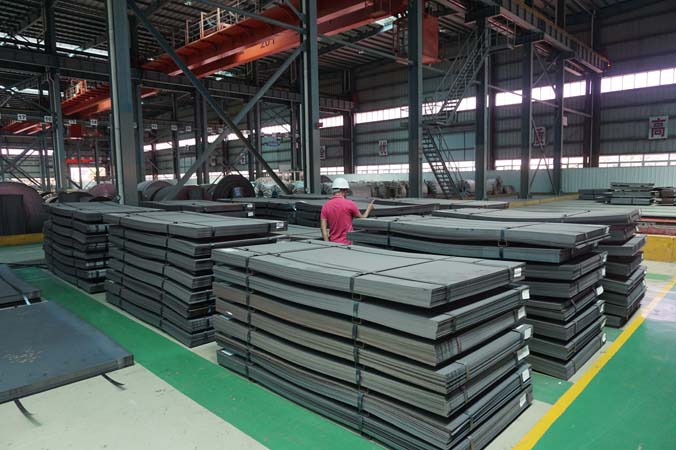
Just like you, 70% customers choose long-term cooperation with BBN steel not only for our good product and service quality, good reputation in the international market, but also for our experienced one-stop raw material supply and further steel processing!
Shandong Chengda Steel Co., Ltd.
 Language

 Online Contact Us


