



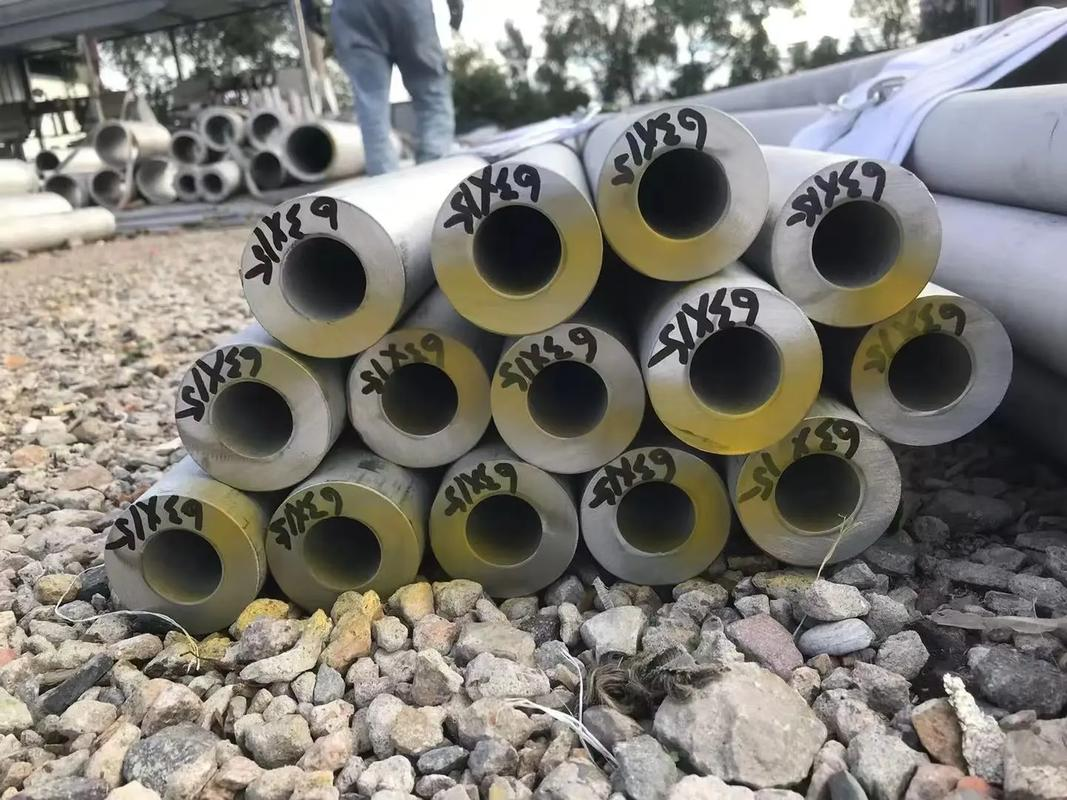
Product introduction
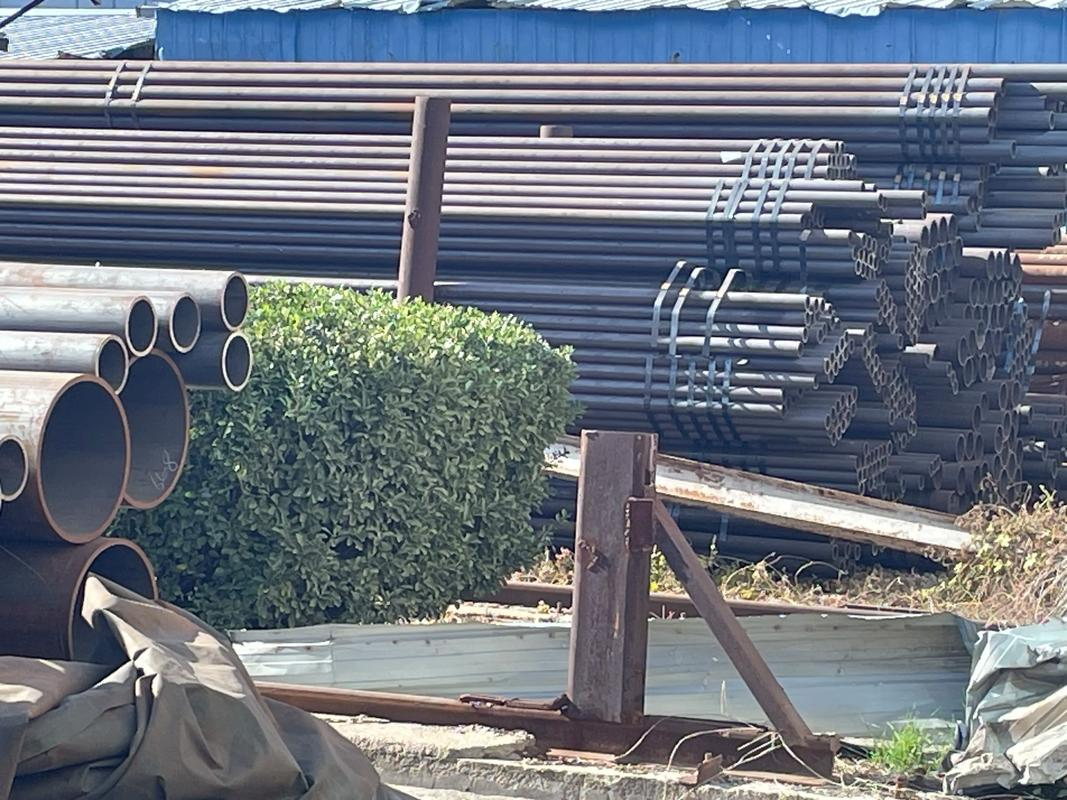
ASTM A519 is the standard specification for Seamless Carbon and Alloy Steel Mechanical Tubing. Unlike pressure piping standards (e.g., A53, A106), A519 tubing is designed for mechanical and structural applications where precise dimensions, strength, and machinability are critical. It is commonly used in parts requiring further fabrication like machining, grinding, or heat treatment.
| Grade (UNS No.) | C (%) | Mn (%) | P ≤ (%) | S ≤ (%) | Si (%) | Other Alloys | Common Analog |
|---|---|---|---|---|---|---|---|
| 1020 (G10200) | 0.18-0.23 | 0.30-0.60 | 0.040 | 0.050 | 0.10-0.30 | - | Low-C Steel |
| 1025 (G10250) | 0.22-0.28 | 0.30-0.60 | 0.040 | 0.050 | 0.10-0.30 | - | Low-C Steel |
| 1035 (G10350) | 0.32-0.38 | 0.60-0.90 | 0.040 | 0.050 | 0.10-0.30 | - | Med-C Steel |
| 1045 (G10450) | 0.43-0.50 | 0.60-0.90 | 0.040 | 0.050 | 0.10-0.30 | - | Med-C Steel |
| 4130 (G41300) | 0.28-0.33 | 0.40-0.60 | 0.035 | 0.040 | 0.15-0.35 | Cr: 0.80-1.10, Mo: 0.15-0.25 | Chromoly |
| 4140 (G41400) | 0.38-0.43 | 0.75-1.00 | 0.035 | 0.040 | 0.15-0.35 | Cr: 0.80-1.10, Mo: 0.15-0.25 | Chromoly |
| 8620 (G86200) | 0.18-0.23 | 0.70-0.90 | 0.035 | 0.040 | 0.15-0.35 | Cr: 0.40-0.60, Ni: 0.40-0.70, Mo: 0.15-0.25 | Case-Hardening |
| Property | 1020 | 1045 | 4130 | 4140 | 8620 |
|---|---|---|---|---|---|
| Tensile Strength | 70-85 ksi (480-585 MPa) | 90-110 ksi (620-760 MPa) | 90-110 ksi (620-760 MPa) | 95-120 ksi (655-825 MPa) | 75-90 ksi (515-620 MPa) |
| Yield Strength | 60-70 ksi (415-485 MPa) | 70-85 ksi (480-585 MPa) | 70-85 ksi (480-585 MPa) | 80-95 ksi (550-655 MPa) | 55-65 ksi (380-450 MPa) |
| Elongation in 2" | 15-25% | 12-18% | 15-20% | 12-18% | 18-25% |
| Hardness (Brinell) | 150-180 HB | 200-230 HB | 200-230 HB | 220-260 HB | 170-200 HB |
| Machinability | Excellent (100% ref)* | Good (70%) | Good (75%) | Fair (65%) | Excellent (90%) |
Note: Properties are for cold drawn (CD) condition. Hot finished (HF) properties are lower. Machinability rated vs. 1212 steel as 100%.
Tensile and Yield Strength Range by Grade
↑ Strength (ksi)
|
|130 ┼                                    ▓▓▓▓▓▓▓▓▓▓▓▓▓▓▓▓▓▓▓▓▓▓▓ [4140 Tensile]
|    |                                    |
|120 ┼                         ▓▓▓▓▓▓▓▓▓▓▓▓▓▓▓▓▓▓▓▓▓▓▓▓▓▓▓▓▓▓▓▓▓▓▓
|    |                         |          |
|110 ┼             ▓▓▓▓▓▓▓▓▓▓▓▓▓▓▓▓▓▓▓▓▓▓▓▓▓▓▓▓▓▓▓▓▓▓▓▓▓▓▓▓▓▓▓▓▓▓▓ [1045/4130 Tensile]
|    |             |          |          |
|100 ┼             ▓▓▓▓▓▓▓▓▓▓▓▓▓▓▓▓▓▓▓▓▓▓▓▓▓▓▓▓▓▓▓▓▓▓▓▓▓▓▓▓▓▓▓▓▓▓▓
|    |             |          |          |
|90  ┼▓▓▓▓▓▓▓▓▓▓▓▓▓▓▓▓▓▓▓▓▓▓▓▓▓▓▓▓▓▓▓▓▓▓▓▓▓▓▓▓▓▓▓▓▓▓▓▓▓▓▓▓▓▓▓▓▓▓▓▓▓ [8620 Tensile]
|    |▓▓▓▓▓▓▓▓▓▓▓▓▓▓▓▓▓▓▓▓▓▓▓▓▓▓▓▓▓▓▓▓▓▓▓▓▓▓▓▓▓▓▓▓▓▓▓▓▓▓▓▓▓▓▓▓▓▓▓▓▓|
|80  ┼▓▓▓▓▓▓▓▓▓▓▓▓▓▓▓▓▓▓▓▓▓▓▓▓▓▓▓▓▓▓▓▓▓▓▓▓▓▓▓▓▓▓▓▓▓▓▓▓▓▓▓▓▓▓▓▓▓▓▓▓▓ [4140 Yield]
|    |▓▓▓▓▓▓▓▓▓▓▓▓▓▓▓▓▓▓▓▓▓▓▓▓▓▓▓▓▓▓▓▓▓▓▓▓▓▓▓▓▓▓▓▓▓▓▓▓▓▓▓▓▓▓▓▓▓▓▓▓▓|
|70  ┼▓▓▓▓▓▓▓▓▓▓▓▓▓▓▓▓▓▓▓▓▓▓▓▓▓▓▓▓▓▓▓▓▓▓▓▓▓▓▓▓▓▓▓▓▓▓▓▓▓▓▓▓▓▓▓▓▓▓▓▓▓ [1020 Tensile]
|    |▓▓▓▓▓▓▓▓▓▓▓▓▓▓▓▓▓▓▓▓▓▓▓▓▓▓▓▓▓▓▓▓▓▓▓▓▓▓▓▓▓▓▓▓▓▓▓▓▓▓▓▓▓▓▓▓▓▓▓▓▓ [1045/4130 Yield]
|60  ┼▓▓▓▓▓▓▓▓▓▓▓▓▓▓▓▓▓▓▓▓▓▓▓▓▓▓▓▓▓▓▓▓▓▓▓▓▓▓▓▓▓▓▓▓▓▓▓▓▓▓▓▓▓▓▓▓▓▓▓▓▓ [1020 Yield]
|    |▓▓▓▓▓▓▓▓▓▓▓▓▓▓▓▓▓▓▓▓▓▓▓▓▓▓▓▓▓▓▓▓▓▓▓▓▓▓▓▓▓▓▓▓▓▓▓▓▓▓▓▓▓▓▓▓▓▓▓▓▓|
|50  ┼▓▓▓▓▓▓▓▓▓▓▓▓▓▓▓▓▓▓▓▓▓▓▓▓▓▓▓▓▓▓▓▓▓▓▓▓▓▓▓▓▓▓▓▓▓▓▓▓▓▓▓▓▓▓▓▓▓▓▓▓▓ [8620 Yield]
|    |_______________________________________________________________
     1020       1045       4130       4140       8620

▓▓▓▓▓ = Tensile Strength Range   ░░░░░ = Yield Strength Range
Manufacturing Process: Exclusively seamless (no welded tube), produced via hot extrusion or piercing and cold drawing.
Dimensional Precision: Tighter OD/ID tolerances and smoother surface finish than structural or pressure pipe.
Condition: Typically supplied as cold drawn (CD) for higher strength and better finish, or hot finished (HF).
Heat Treatment Response: Excellent, especially alloy grades (4130, 4140, 8620) can be quenched and tempered to significantly higher strengths.
Primary Use: A component requiring secondary machining or fabrication, not for fluid conveyance under pressure.
| Grade | Typical Applications |
|---|---|
| 1020/1025 | Shafts, pins, rollers, bushings, low-stress structural parts. |
| 1035/1045 | Higher-strength shafts, gears, spindles, bolts, hydraulic cylinders. |
| 4130 | Aircraft engine mounts, bicycle frames, race car roll cages, high-strength structural tubing. |
| 4140 | High-strength axles, bolts, connecting rods, tool holders, die blocks. |
| 8620 | Gears, pinions, camshafts, and other case-hardened components requiring a tough core and hard surface. |
| Property | ASTM A519 (Mechanical Tubing) | ASTM A53 (Pipe) | ASTM A500 (Structural Tubing) |
|---|---|---|---|
| Primary Purpose | Machined components, precision parts | Pressure conveyance, plumbing | Structural support, frames |
| Manufacture | Seamless only | Seamless or welded | Welded or seamless (Gr. D) |
| Dimensional Tolerance | Very tight (mechanical specs) | Standard pipe schedules | Structural tolerances |
| Surface Finish | Smooth (cold drawn) | Standard mill finish | Standard mill finish |
| Common Grades | 1020, 1045, 4130, 4140 | A, B | A, B, C, D |
| Pressure Rating | Not intended/rated for pressure | Rated for pressure service | Not for pressure |
Machinability: Carbon grades (1020, 1045) offer excellent machinability. Alloy steels (41xx, 86xx) require slower speeds/feeds.
Welding: Low-carbon grades (1020) weld easily. Medium-carbon (1045) and alloy grades require preheat, post-heat, and low-hydrogen electrodes.
Heat Treatment: Grades like 1045, 4130, and 4140 are routinely heat treated (quench & temper) after machining to achieve desired strength/hardness.
Cold Drawing: The CD process increases strength, improves surface finish, and tightens tolerances compared to hot-finished (HF) material.
NOT A PRESSURE STANDARD: A519 tubing is not intended for pressure containment. Do not substitute it for pressure pipe (A53, A106) or pressure tubing (A179, A213) in pressure systems.
Condition Matters: Properties vary significantly between hot-finished (HF, as-rolled) and cold-drawn (CD, stress-relieved) conditions. Always specify.
Alloy Grades: Require specific thermal handling during welding and machining to avoid cracking or loss of properties.
Cost: Generally more expensive than standard pipe or structural tubing due to the seamless manufacturing process and tighter tolerances.
Note: ASTM A519 is a broad specification covering many grades. The specific chemical and mechanical requirements should be verified from the latest ASTM A519 standard for the ordered grade and condition. For critical applications, material certifications (mill test reports) are essential.
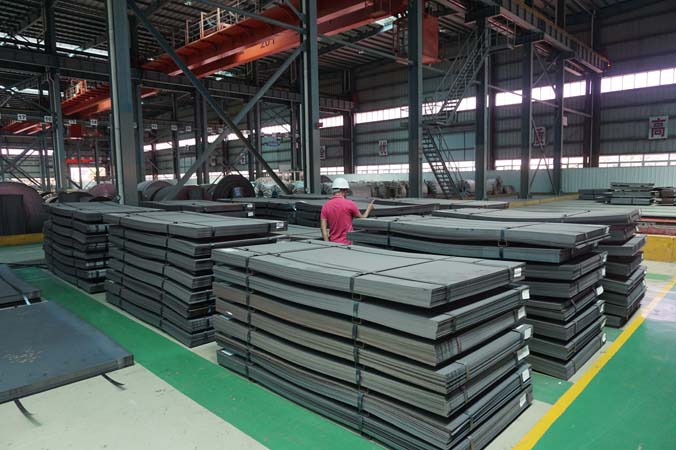
Just like you, 70% customers choose long-term cooperation with BBN steel not only for our good product and service quality, good reputation in the international market, but also for our experienced one-stop raw material supply and further steel processing!
Shandong Chengda Steel Co., Ltd.
 Language

 Online Contact Us


