



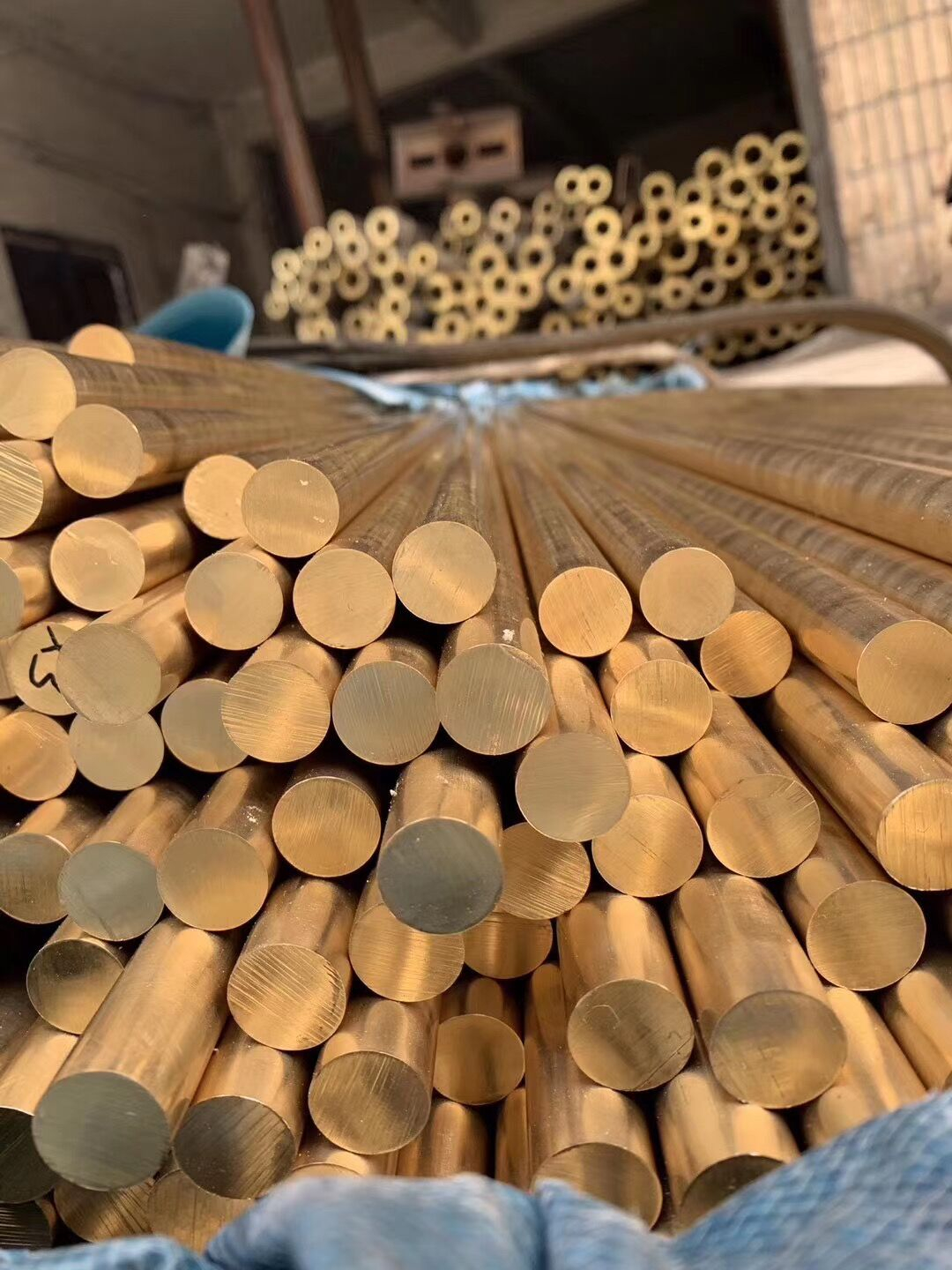
Product introduction
Common Name: H65 Brass
Chinese Standard (GB): H65
Other Names: Often referred to as 60/40 Brass (nominal composition), or corresponding to C2680 (Japanese JIS standard) or C27000 (UNS).
Material Type: Copper-Zinc Alloy / Wrought Brass
H65 is a binary (two-element) brass. Its composition is strictly regulated:
Copper (Cu): 63.0% to 68.5%
This is the main alloying element. The "65" in its name refers to the nominal copper content. The higher copper content compared to H62 gives it better ductility.
Zinc (Zn): Remainder (approximately 31.5% to 37.0%)
Impurities (Total ≤ 0.5%): Includes elements like Iron (Fe), Lead (Pb), Antimony (Sb), and Bismuth (Bi), which are kept to a minimum to ensure performance.
At room temperature, due to its higher copper content (greater than 63%), H65 Brass has a single-phase structure (α) .
The α-phase is a solid solution of zinc in copper with a face-centered cubic (FCC) structure. This structure is inherently very soft and ductile, giving H65 its excellent formability.
The mechanical properties of H65 are highly dependent on its temper (degree of cold work). It is commonly supplied in various conditions, from soft annealed to hard rolled. The values below represent typical ranges:
| Temper (Condition) | Tensile Strength (MPa) | Elongation (%) | Hardness (HV) | Typical Application Notes |
|---|---|---|---|---|
| M (Annealed/Soft) | ≥290 | ≥40 | ≤90 | For deep drawing and complex bending. |
| Y4 (1/4 Hard) | 235-410 | ≥35 | 85-115 | For light forming requiring some stiffness. |
| Y2 (1/2 Hard) | 355-460 | ≥25 | 100-130 | General-purpose parts, terminals, connectors. |
| Y (Hard) | 410-540 | ≥13 | 120-160 | For springs and parts needing higher strength. |
| T (Extra Hard) | 520-620 | ≥4 | 150-190 | High-strength structural components. |
| TY (Spring Hard) | ≥570 | —— | ≥180 | For applications requiring very high strength. |
Note: The table above compiles data from various sources. It shows that by selecting the appropriate temper, the tensile strength of H65 can be adjusted from approximately 290 MPa to over 570 MPa, offering great design flexibility.
Excellent Plasticity and Formability: This is the most outstanding feature of H65. Its single α-phase structure gives it one of the best cold-working properties among all brasses. It is ideal for deep drawing, bending, stamping, and other complex forming operations.
Good Balance of Properties: While primarily known for its ductility, it can achieve good strength through cold working, striking an excellent balance between strength and elongation.
Good Workability & Joinability: It performs well in cold and hot working. While machinability is moderate, it has excellent solderability (soft soldering) and can be easily plated or tinned.
Corrosion Resistance: It has good resistance to corrosion in atmospheric, fresh water, and some chemical environments.
Due to its excellent formability, H65 is a preferred material for parts requiring complex shapes. Common applications include:
Electronics and Electrical: Terminals, connectors, sockets, radiator fins and tanks.
Architectural and Decorative: Door handles, lock components, lamp fittings, decorative grilles, nameplates, zippers.
General Hardware: Rivets, fasteners, springs, stampings, musical instrument components.
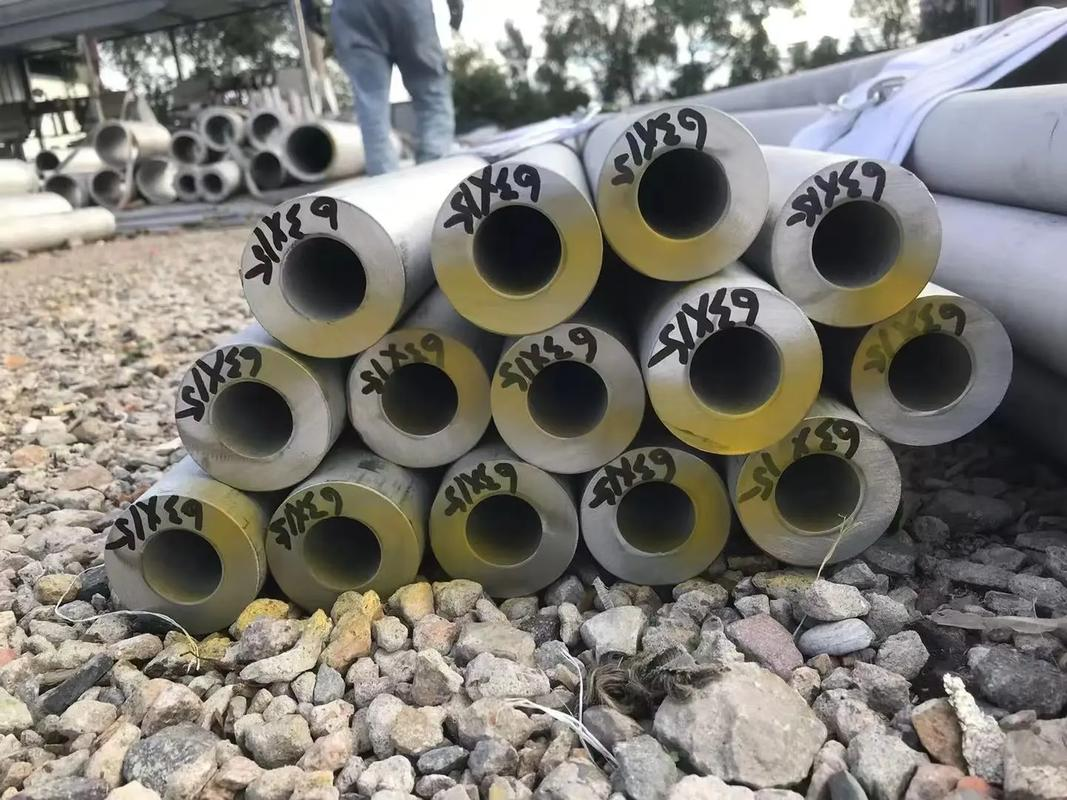
Industrial: Heat exchanger tubes, gaskets, washers, instrument parts.
Just like you, 70% customers choose long-term cooperation with BBN steel not only for our good product and service quality, good reputation in the international market, but also for our experienced one-stop raw material supply and further steel processing!
Shandong Chengda Steel Co., Ltd.

 Language

 Online Contact Us


